
FROM TRAVEL INPUTS TO A CLEAR, CURRENT QUOTATION
How Travel Connection Plans Kerala Trips
A useful itinerary is built through decisions, not copied from a destination list. Travel Connection starts with trip inputs, compares route and stay choices, explains the trade-offs and checks changeable details before they become part of a quotation.
1. Gather inputs2. Compare routes3. Clarify inclusions4. Recheck details
1. Start with the inputs that shape the route
The first step is to understand the trip before suggesting the sequence. Useful inputs include travel dates, number of nights, group size, arrival and departure points, traveller ages where relevant, preferred pace, stay style and the experiences that matter most. Fixed transport or an event date should be identified early because it can anchor the whole route.
It also helps to separate priorities from possibilities. A place you must include has a different role from a place you would visit only if it fits comfortably. Dietary, mobility or room-configuration needs should be raised at this stage so that they can inform the comparison rather than appear after the route has been shaped.
2. Compare route shapes, not only destination names
Travel Connection then looks at how the requested places connect. Two itineraries can include the same headline destinations but arrange them differently, creating different transfer days, check-in patterns and departure pressure. The comparison should show which route protects time at a priority stop and which route offers more variety.
Duration guides provide useful starting shapes. Compare a 5-day Kerala route with a 7-day Kerala route, or use the Kerala trip planner when the dates do not match a standard length. Destination research can begin with the places to visit in Kerala guide.

3. Make travel-time and pace trade-offs explicit
Every added stop uses part of a day for packing, moving and settling in. A route therefore needs more than a distance calculation. Likely road conditions, the position of the stay, planned activities, check-in timing and the energy of the group all influence how a transfer day may feel.
The planner can explain the choice in plain language: keep an extra stop for contrast, or remove it for a calmer stay; start earlier to protect an activity window, or choose a different sequence; place the final night nearer departure, or accept a longer final movement for another experience. There is no single correct pace for every traveller.
4. Compare stays on the basis that matters
A stay comparison should go beyond a label. Location, room arrangement, meal basis, accessibility needs and how the property fits the route can be more important than a category name alone. A centrally placed stay may simplify one plan, while a quieter setting may suit another traveller who accepts extra movement.
The same principle applies to traveller types. A Kerala family trip may put room setup and a manageable rhythm first. A Kerala honeymoon may give more weight to privacy, atmosphere and time together. A route focused on Munnar needs to consider how long the hill stay deserves and what should connect before or after it.
5. Turn choices into a readable quotation
Once a route basis is agreed, the quotation should identify the proposed dates, destinations, stays or stay basis, transport basis and included services. Exclusions and important assumptions should be visible. If an activity, meal, transfer or entry is not clearly included, the traveller should ask before treating it as part of the amount.
A quotation is still a proposal. It does not by itself confirm that every component has been reserved. The written confirmation and the supplier conditions attached to the booking control the final basis. The general distinction is explained in the booking and cancellation information.
6. Recheck facts that can change
Room inventory, transport availability, activity operations, access conditions, local rules and supplier terms can change between research, quotation and confirmation. Relevant details need a current check when the trip is priced and again when a change could affect the agreed plan.
Travel Connection cannot promise a particular supplier decision, road condition, weather outcome or access result. When a material assumption changes, the practical response is to explain the effect and compare available alternatives. Travellers should also review the final names, dates, documents and service basis before payment or ticketing.
7. Use experience and media responsibly
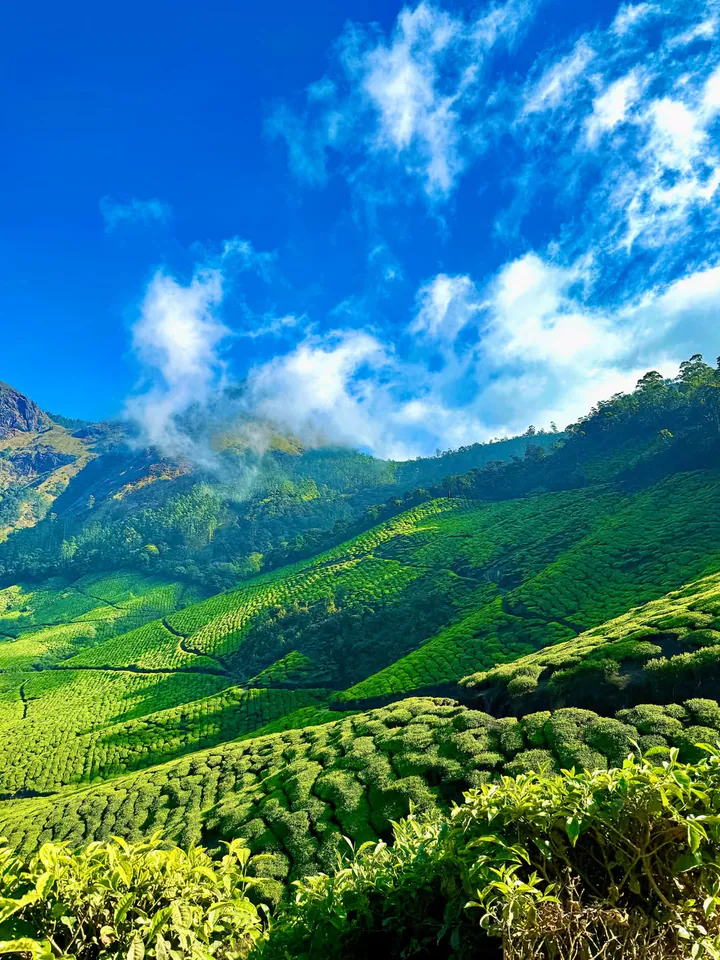
Travel Connection states that its planning is informed by firsthand travel in Kerala. That experience can support route judgement and more useful questions. It does not remove the need for current verification. Likewise, the owner-supplied images on this site help travellers understand Kerala’s landscapes, but they are not evidence that a particular condition will match a future travel date.
To compare the available planning paths, return to all Kerala tour packages. For a specific process question, use the contact page. Enquiry details are handled under the privacy policy.
Give the planning process a clear starting point
Share your dates, group, arrival point and priorities. Travel Connection can then compare a practical first route with the alternatives that matter most to you.
By sending this enquiry, you agree that Travel Connection may contact you about this trip. Read the privacy policy.